India's Paint Market Undergoes Dynamic Shift Amidst New Entrants and Intensified Competition
Published: 2025-07-03 21:22 IST | Category: Markets | By Flash Finance desk (written with AI assistance) · Editor: Kokila
India's paint and coatings market, valued at approximately USD 10.46 billion in 2025, is on a high-growth trajectory, projected to reach USD 16.37 billion by 2030-2033 with a Compound Annual Growth Rate (CAGR) ranging from 7.35% to 9.38%. This expansion is primarily fueled by rapid urbanization, extensive infrastructure development, rising disposable incomes, and a growing demand for both aesthetic and protective coatings across the country. However, this promising outlook comes with heightened competitive intensity, particularly with the entry of well-funded conglomerates.
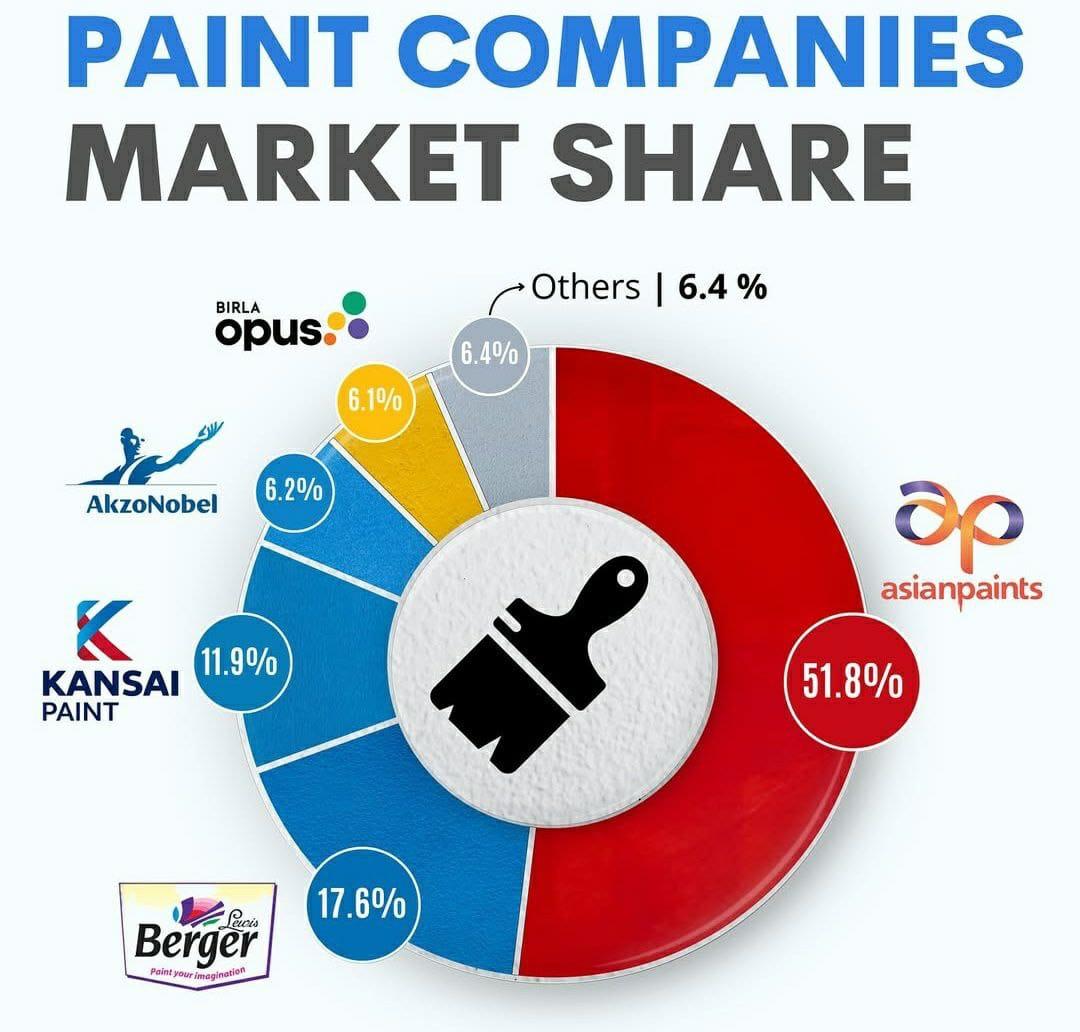
Market Leader Facing Headwinds Asian Paints, India's undisputed market leader, continues to command a significant portion of the domestic paint market. While the provided data indicates a 51.8% market share, recent reports suggest its share has seen a slight decline from 59% to around 52% in the 12 months ending March 31 (FY25). Despite this, Asian Paints remains dominant in the decorative paints segment, holding approximately 55% as of early 2025. The company has been compelled to increase marketing efforts and offer discounts to maintain its strong position amidst rising competition.
Birla Opus: The Disruptor The most impactful development in the Indian paint landscape has been the aggressive entry of Birla Opus, the paints venture of Grasim Industries (Aditya Birla Group). Launched in February 2024 (with operations broadly starting then), Birla Opus has rapidly captured market share, reaching 6.8% in the latest quarter as of May 2025. Some reports even claim it has become India's third-largest decorative paints brand within just six months, with its market share (combined with Birla White Putty) exceeding 10% in the organized decorative paints segment. Birla Opus has positioned itself as the second-largest player by installed capacity, trailing only Asian Paints. Its strategy involves competitive pricing, offering products 5-6% lower than peers, coupled with extensive dealer incentives and a focus on Tier 2, Tier 3, and rural markets. This aggressive approach has significantly impacted established players, leading to margin pressures and a notable 45% drop in Asian Paints' fourth-quarter profit.
Other Key Players in the Fray Beyond the dominant leader and the new challenger, other prominent players continue to carve out their niches:
- Berger Paints: Holding 17.6% in the provided image, Berger Paints is consistently the second-largest player in the Indian market. Recent data indicates further market share gains, reaching 20.3% in FY25, up from 19.5% in FY24. Berger is also a market leader in protective coatings, holding a 30% share.
- Kansai Nerolac: Displaying 11.9% in the image, Kansai Nerolac remains a significant force, identified as the third-largest paint company in India with a market share of around 15-17% as of April 2025.
- AkzoNobel: With 6.2% in the image, AkzoNobel India holds approximately 7% market share as of early 2025. However, the company's future in India is a subject of recent news, with JSW Paints signing a definitive agreement in June 2025 to acquire a substantial stake in AkzoNobel India. Some industry reports also suggest AkzoNobel is considering a partial or full exit from the Indian market due to intense competition.
Challenges and Outlook The Indian paint industry is grappling with several challenges, including a slowdown in urban demand, intense price-based competition, and volatility in raw material costs, which has led to margin pressures for many companies. Consumers are increasingly opting for more affordable options, further intensifying the competitive environment.
Despite these headwinds, the long-term outlook for the Indian paint market remains positive. Growth is expected to be driven by continued housing construction, particularly with government initiatives like the Pradhan Mantri Awas Yojana, increased average house sizes, and a reduced repainting cycle. The market is also witnessing a trend towards eco-friendly and low-VOC paints, along with the increasing adoption of digital technologies for consumer engagement. The fierce competition, while challenging for incumbents, ultimately benefits Indian consumers through innovation, product diversification, and competitive pricing.