
India's Longevity on the Rise: A Closer Look at Life Expectancy and its Economic Implications
Published: 2025-07-04 22:50 IST | Category: Markets | By Flash Finance desk (written with AI assistance) · Editor: Kokila
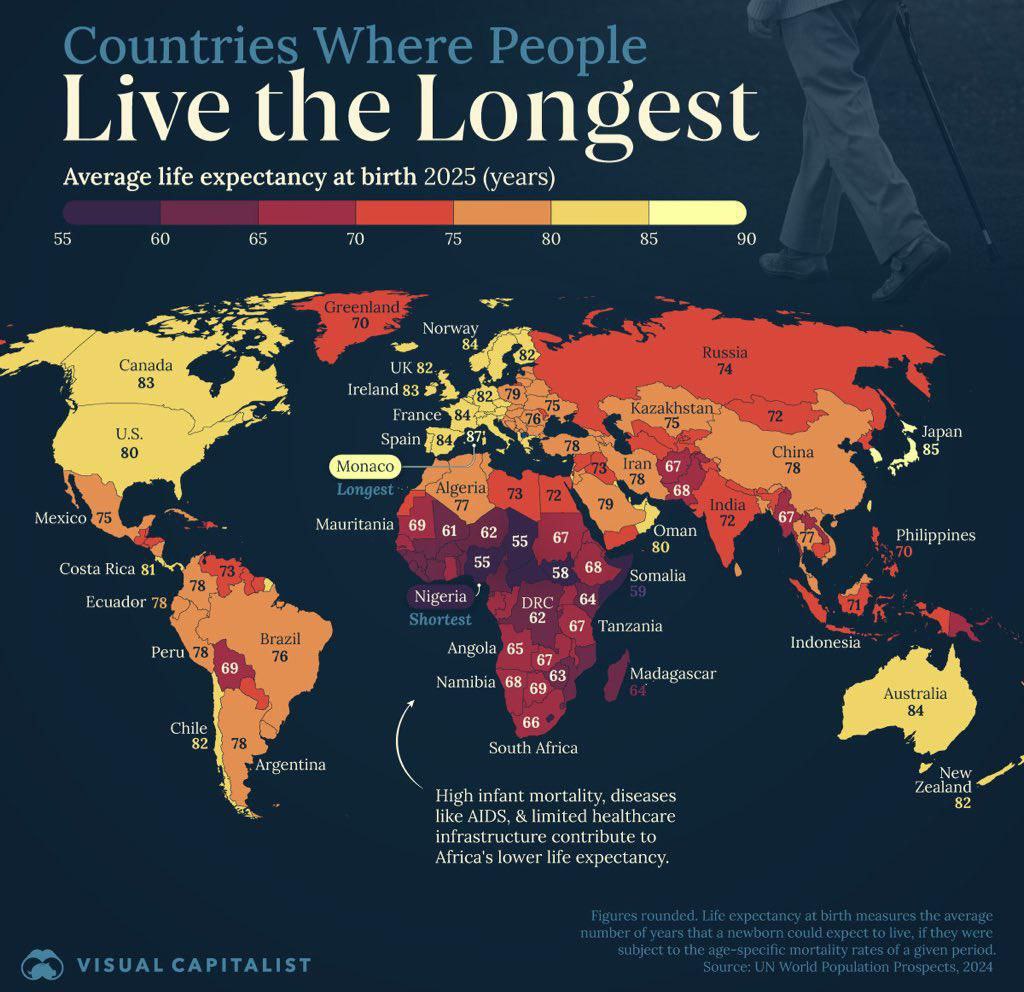
India is steadily advancing in the global health landscape, with the average life expectancy at birth projected to reach 72 years in 2025, according to the UN World Population Prospects 2024. This marks a substantial increase from just 37 years in 1951, reflecting decades of progress in public health and development. The United Nations Population Fund (UNFPA) data for 2025 further breaks this down to 71 years for males and 74 years for females. Other projections for 2025 also hover around this figure, with World Economics at 72.2 years and database.earth at 72.4848 years.
This improved longevity is a testament to India's concerted efforts in various sectors. Key contributing factors include: * Healthcare Advancements: Better nutrition, enhanced healthcare infrastructure, and significant reductions in infant and child mortality rates have played a crucial role. * Public Health Initiatives: Government programs such as the National Health Mission, Ayushman Bharat, Janani Suraksha Yojana, and Poshan Abhiyaan have been instrumental in improving health outcomes across the nation. * Socio-Economic Progress: Rising income levels, increased literacy leading to greater health awareness, and a decline in fertility rates have positively impacted life expectancy. * Disease Control: Effective measures against communicable diseases have also contributed to the overall improvement in lifespan.
Despite this commendable progress, India faces persistent challenges and notable disparities. While the country's Human Development Index (HDI) ranking has improved to 130 out of 193 countries in 2023, signaling a robust recovery from the pandemic's impact on life expectancy, significant regional variations exist. For instance, states like Kerala and the National Capital Territory (NCT) of Delhi boast life expectancies comparable to developed nations, while others such as Madhya Pradesh, Uttar Pradesh, and Chhattisgarh lag considerably.
Challenges on the Path to Universal Longevity
The COVID-19 pandemic temporarily impacted India's life expectancy, causing a slight decrease of 0.2 years between 2017 and 2021, bringing it to 69.8 years, primarily due to increased mortality during the pandemic's peak. However, more recent projections indicate a strong rebound and continued upward trajectory.
Key areas requiring continued focus for equitable longevity include: * Healthcare Access and Affordability: Quality healthcare services remain a challenge, particularly in rural areas, leading to high out-of-pocket expenses for many citizens. * Socioeconomic Inequality: A notable gap of 7.6 years exists in life expectancy between the richest and poorest households in India, highlighting the need for more inclusive health policies. * Double Burden of Disease: India is grappling with both communicable and a growing burden of non-communicable diseases, alongside the complexities of an aging population. * Environmental and Lifestyle Factors: Issues such as air pollution and certain lifestyle choices continue to influence health outcomes.
Demographic Dividend and Future Outlook
India is currently positioned to harness a significant "demographic dividend," characterized by a large and growing working-age population. This demographic shift presents a unique opportunity for accelerated economic growth, increased national savings, and higher productivity. However, this window of opportunity is finite, estimated at 3-4 decades. To fully capitalize on this, India must address critical needs such as creating 7.85 million new jobs annually until 2030, bridging skill gaps, and enhancing female labor force participation.
As life expectancy rises, India is also experiencing a rapid demographic transition towards an aging population. The elderly population is projected to more than double by 2050, necessitating proactive policies for social security, elder care, and adapting the workforce. Addressing regional imbalances through targeted investments in education and skill development in lagging states will be crucial to ensure inclusive and sustained economic growth, leveraging the nation's evolving demographic profile.