
Indian FMCG Exports Surge: Global Palates Drive Growth, PLI Scheme Fuels Expansion
Published: 2025-07-06 09:39 IST | Category: Markets | By Flash Finance desk (written with AI assistance) · Editor: Kokila
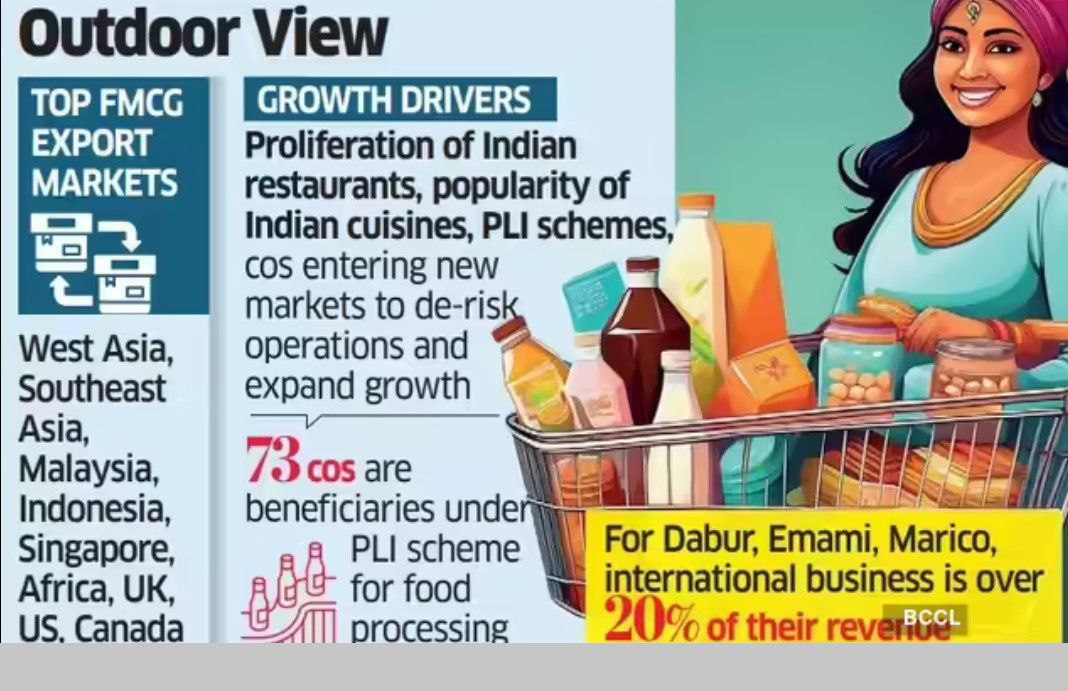
The Indian Fast-Moving Consumer Goods (FMCG) sector is carving out a significant niche in the global market, with exports experiencing a robust surge. This impressive growth is being propelled by a confluence of factors, prominently including the rising worldwide appeal of Indian cuisine and the strategic support from the government's Production-Linked Incentive (PLI) schemes.
Global Reach and Market Diversification Indian FMCG products are finding increasing demand across a wide array of international markets. Traditionally strongholds like West Asia and Southeast Asia continue to be vital, alongside growing penetration in Malaysia, Indonesia, Singapore, Africa, the UK, the US, and Canada. Companies are actively seeking to de-risk operations and expand their growth horizons by venturing into new geographies, with some even exploring emerging markets like Russia amidst shifting global trade dynamics.
The Culinary Catalyst: Indian Food's Global Appeal A major catalyst for this export boom is the burgeoning popularity and proliferation of Indian restaurants and cuisines globally. This trend extends beyond the Indian diaspora, with local populations in foreign markets increasingly embracing Indian flavours and products. This growing cultural curiosity translates directly into higher demand for Indian-made spices, packaged foods, ready-to-eat meals, and even personal care items rooted in Ayurvedic traditions. Products such as mustard and sunflower oil, atta, besan, soya nuggets, and poha are experiencing strong demand internationally.
Government Support: The PLI Scheme's Impact The Indian government's Production-Linked Incentive (PLI) scheme for the food processing industry has been instrumental in boosting domestic manufacturing and exports. Under this scheme, 73 companies are specifically beneficiaries for promoting Indian-branded food products in global markets, receiving financial incentives for branding and marketing abroad. This initiative, with an allocated budget of ₹10,900 crore (approximately USD 1.3 billion) for 2021-22 to 2026-27, has already seen an investment of ₹8,910 crore across 213 locations. The PLI scheme has not only incentivised investments but has also generated over 2.89 lakh jobs as of October 2024, significantly contributing to rural economic development by promoting local raw material procurement.
Leading the Charge: FMCG Giants' International Prowess Major Indian FMCG players are demonstrating the significant contribution of their international businesses to overall revenue. For companies like Dabur, Emami, and Marico, international operations now contribute over 20% of their total revenue.
- Marico: The international business contributed 26% to Marico's consolidated revenues in FY23 and 25% in FY25, with a projected double-digit constant currency growth in the medium term. Key markets for Marico's international growth include Bangladesh, Southeast Asia, and the MENA region.
- Dabur: Dabur's international business accounted for 25.8% of its revenue in FY21-22 and around 25% in FY25, showcasing robust growth of 17-19% in constant currency terms.
- Emami: Emami's international business comprised 18% of its revenue in FY24 and recorded a 6% growth in Q4 FY25, demonstrating resilience despite geopolitical challenges in markets like Bangladesh, the Middle East, and parts of Africa.
The increasing focus on premium and organic offerings, coupled with advancements in packaging, product formulations, and digital marketing, are further enhancing the global competitiveness of Indian FMCG brands. As India's cultural influence expands worldwide, the demand for its authentic and quality FMCG products is set to continue its upward trajectory, reinforcing India's position as a significant player in the global consumer goods landscape.