
Trump's Tariff Storm Batters India's Labour-Intensive Exports, Threatening Jobs and Economic Growth
Published: 2025-09-28 10:47 IST | Category: Markets | By Flash Finance desk (written with AI assistance) · Editor: Kokila
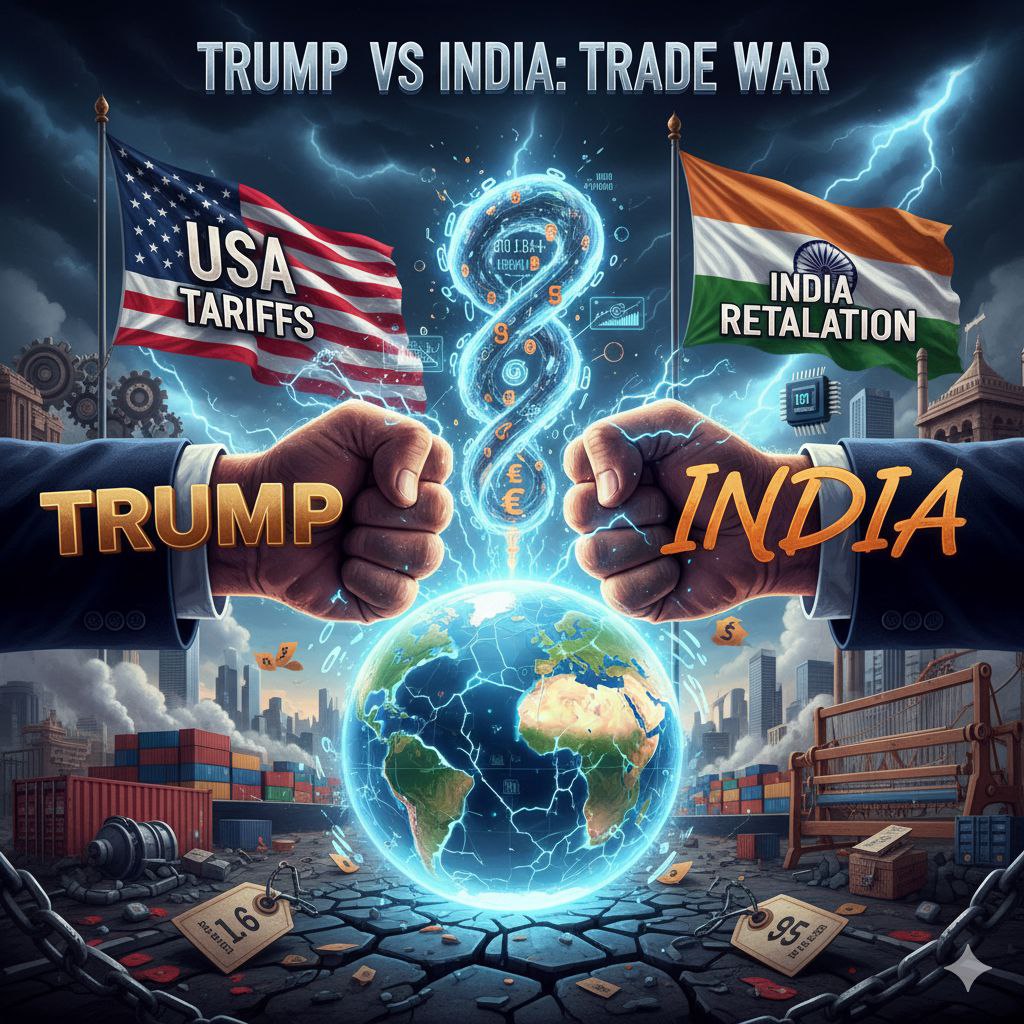
New Delhi, India – India's export-oriented economy is reeling under the weight of steep tariffs recently imposed by US President Donald Trump, with labour-intensive sectors bearing the brunt of the escalating trade war. The tariffs, which in many cases have reached an alarming 50%, are threatening hundreds of thousands of jobs and significantly impacting India's global trade competitiveness.
The Trump administration's rationale behind these punitive measures stems from a long-standing grievance over the US trade deficit with India, which stood at approximately $45-46 billion in 2024, alongside demands for greater market access for American products, particularly in agriculture and dairy. A more recent and significant trigger for the additional tariffs (an extra 25% on top of an existing 25%) has been India's continued procurement of Russian oil, which the US views as indirectly funding Russia's military actions in Ukraine.
Labour-Intensive Sectors Face Severe Headwinds
The impact has been immediate and severe for sectors that are vital employment generators in India. The Global Trade Research Initiative (GTRI), a New Delhi-based think tank, estimates that Indian exports to the US could plummet from $86.5 billion to approximately $50 billion in 2026 as a direct consequence of these tariffs. Overall shipments to the US could see a 43% decline, jeopardizing countless livelihoods across the country's export hubs.
- Textiles and Apparel: This sector is among the worst hit, with tariffs reaching up to 63.9%. Experts predict a potential 70% collapse in exports for some segments, endangering an estimated 500,000 direct and indirect jobs. Production units in major textile hubs like Tiruppur, Noida, and Surat have reportedly halted operations due to worsening cost competitiveness. Mithileshwar Thakur, Secretary General of the Apparel Export Promotion Council (AEPC), highlighted that the additional tariffs have created a 30-31% cost disadvantage compared to rivals such as Bangladesh and Vietnam.
- Gems and Jewellery: This industry faces similar distress, with projections of 150,000 to 200,000 jobs at risk if the tariffs persist.
- Shrimp and Seafood: Exports of shrimp, India's primary seafood export, have seen a sharp decline, with Vannamei shrimp falling 52.2%. Over 50% of the approximately two million workers associated with shrimp exports are expected to bear the direct brunt of these tariffs.
- Other Affected Sectors: Footwear, furniture (including kitchen cabinets and upholstered items), industrial chemicals, leather goods, carpets, and certain auto components are also grappling with the new tariff regime. Agricultural exports, including processed food, sugar, and cereals, have also seen declines.
Economic Repercussions and Loss of Competitiveness
Analysts warn that the tariffs could result in a 0.3 to 0.9 percentage point drag on India's real GDP growth. The higher duties are placing Indian goods at a significant disadvantage, making them uncompetitive against exports from countries like China, Vietnam, Bangladesh, and Pakistan, which often face lower tariff rates. This shift could undermine Prime Minister Narendra Modi's vision of transforming India into a major manufacturing hub. Furthermore, foreign portfolio investors have already reacted by selling off significant amounts of Indian equities, triggering capital outflows.
Exemptions and India's Strategic Response
While the overall picture appears grim, certain sectors have received exemptions or face less immediate impact.
- Generic Pharmaceuticals: India's generic drug exports, which account for a substantial portion of US generic medication imports, have largely been exempted from the recent 50% tariffs and even a newly announced 100% tariff on branded/patented pharmaceutical products (effective October 1, 2025). However, there is some ambiguity surrounding the classification of "branded generics" that could still pose a risk.
- Electronics and Services: Electronics, particularly smartphones, are currently exempt, and India's robust services sector remains largely insulated, providing a crucial buffer for the economy.
In response to the escalating trade challenges, the Indian government is actively pursuing a multi-pronged strategy. This includes efforts to diversify export markets by targeting 40 key countries, such as the UK, Japan, and South Korea. India is also striving to strengthen ties with other economic blocs like Europe and ASEAN. Bilateral trade agreements, including ongoing negotiations with the US and efforts to conclude a deal with the European Union, are being prioritized. Domestically, the "Swadeshi" mantra, promoting "vocal for local," aims to reduce reliance on exports and boost local production through initiatives like the Production Linked Incentive (PLI) schemes. India is also reassessing its market access offers to the US while firmly protecting sensitive sectors like agriculture and dairy. The Reserve Bank of India has also stepped in to provide relief through controlled depreciation of the rupee.