
Unpacking the Past: Why Indian Apps Struggled to Conquer the Global Stage
Published: 2025-09-30 12:19 IST | Category: Markets | By Flash Finance desk (written with AI assistance) · Editor: Kokila
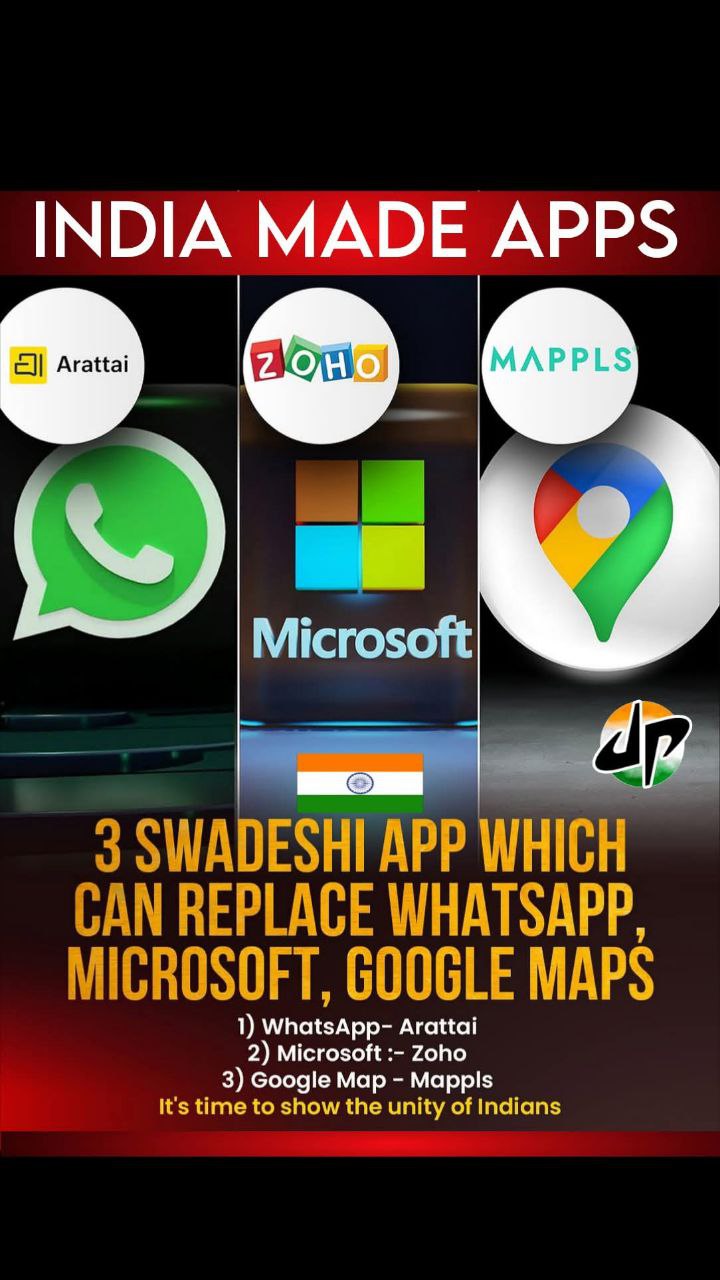
For years, the narrative surrounding Indian technology companies has been one of immense potential, particularly in the realm of software services. However, when it comes to creating globally adopted consumer applications, Indian innovators have often found themselves playing catch-up. While the call for "India Made Apps" like Arattai, Zoho, and Mappls to replace global giants like WhatsApp, Microsoft, and Google Maps resonates strongly with national sentiment, understanding the historical impediments is crucial for future success.
Several factors have contributed to the past struggles of Indian apps on the world stage:
1. Lack of Differentiated Innovation and "Copycat" Syndrome A significant challenge has been the tendency for many Indian apps to emerge as clones of already successful Western or Chinese applications, often lacking unique value propositions or groundbreaking innovation. This approach, particularly evident in the social media space, meant that these apps struggled to retain users who were already accustomed to the sophisticated features and user experience of established platforms. For instance, many short-video apps launched after the TikTok ban failed to innovate beyond being mere replicas, lacking the advanced AI recommendation engines that drove user engagement in their global counterparts.
2. Funding and Monetization Roadblocks Securing adequate and sustained funding has been a persistent issue for Indian app developers aiming for global scale. Unlike their Western counterparts, Indian startups have often faced difficulties in attracting investors for long-term research and development, with investors frequently prioritizing quick returns. Furthermore, many Indian apps have struggled with effective monetization strategies. Models like freemium, without a clear path to paid services or the ability to attract significant brand partnerships, often proved unsustainable, leading to operational setbacks and even shutdowns.
3. Intense Global Competition and Market Saturation The global app market is dominated by tech behemoths with vast resources, entrenched user bases, and strong brand recognition. Competing against these giants, which possess significant budgets for marketing, R&D, and talent acquisition, has been an uphill battle for smaller Indian companies. This market saturation makes it incredibly difficult for new entrants to capture and retain a significant user base outside their domestic market.
4. Subpar User Experience and Performance Historically, many Indian apps have been criticised for poor user experience (UX), glitches, slow performance, and being heavy on device resources. This is particularly problematic in a market like India, where a significant portion of users rely on low-end smartphones and often have inconsistent internet connectivity. Apps that failed to optimize for these local realities struggled to gain traction even domestically, let alone globally.
5. Underestimation of Diverse User Behaviour and Lack of Localization A critical oversight has been the failure to deeply understand and cater to diverse user behaviours, not just globally but also within India itself. Many apps copied Western designs without adapting to Indian realities, such as preferences for regional languages, patchy internet, and simpler user interfaces. A lack of investment in regionalization, including multiple Indian languages and culturally relevant content, limited their appeal and market penetration. This challenge is amplified when attempting to enter diverse international markets with varying cultural nuances and consumer expectations.
6. Limited Global Mindset and Experience Indian brands and companies have often lacked the necessary global experience and understanding of international market dynamics, distribution channels, marketing strategies, and customer engagement practices outside of India. This absence of a "global mindset" has hindered their ability to effectively navigate complex foreign markets and build brand loyalty beyond their home country.
7. Historical Disadvantage and Ecosystem Maturity India largely missed the first wave of social media and app development in the early 2000s. At that time, the country lacked a mature startup ecosystem, had limited internet penetration, and faced a scarcity of talent and investment specifically geared towards product development. This meant that while global platforms were establishing their dominance, the Indian ecosystem was still in its nascent stages.
While these challenges paint a picture of past struggles, the landscape is evolving. Government initiatives like Startup India and the Atmanirbhar Bharat App Innovation Challenge are actively promoting local app development. The emergence of platforms like Arattai, Zoho, and Mappls signifies a renewed focus on creating strong, indigenous alternatives. For Indian apps to truly succeed globally, they must learn from these past lessons, prioritize innovation, focus on exceptional user experience, and strategically adapt to the diverse needs of international users.